
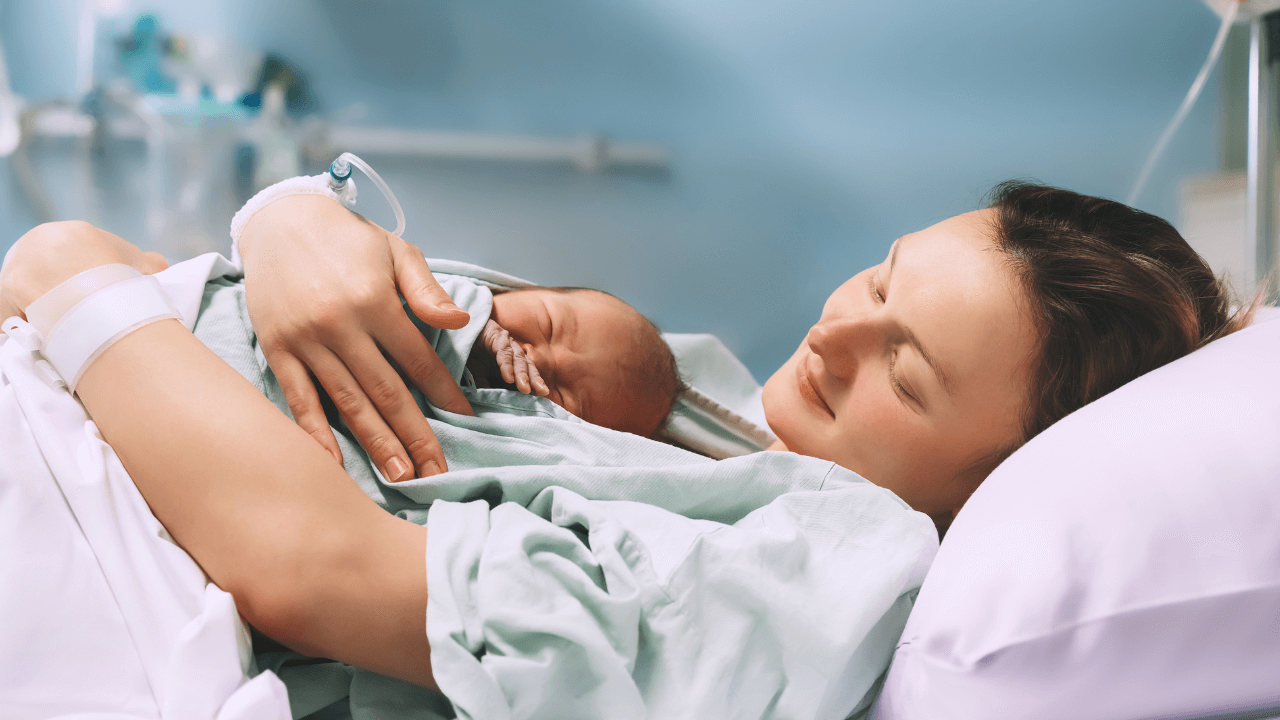
The physicians and anaesthesiology nurses of the Department of Anaesthesiology and Intensive Care at VITA Hospital, led by Dr. Yasen Grozev, provide all types of anaesthesia for both planned and emergency admissions at the facility.
Delivery can proceed naturally (normal birth) or through surgical intervention (Caesarean section). Regardless of which of the two delivery methods the obstetrician-gynaecologist has chosen in agreement with the mother, an anaesthesiologist is always part of the Maternity Ward team.
During the pre-anaesthesia consultation with the pregnant woman, a medical history is taken and all possibilities for anaesthesia and pain relief during labour are discussed.
Modern anaesthesiology practice offers a wide range of options to ensure maximum safety and comfort for both the mother and the fetus.
For normal delivery, the gold standard for pain relief is epidural analgesia. This method involves the placement of a thin catheter in the epidural space, through which pain relief is achieved - by infusion of a local anaesthetic and/or analgesic. This method of pain relief is also achieved by connecting the catheter to a special infusion pump, pre-loaded with a pain relief solution. This device allows continuous infusion of a volume and concentration of solution pre-set and controlled by the anaesthesiologist. In addition to the set volume, the patient is able to add an extra dose when needed (when feeling pain), with the amount also controlled by the anaesthesiologist.
This method is known as "patient-controlled analgesia" - a modern and extremely popular method of pain relief that guarantees the comfort and safety of the mother, tailored to her individual pain threshold.
The epidural catheter placed in advance during normal labour can provide anaesthesia for the mother in the event that a natural delivery needs to transition to a surgical one.
For operative delivery, general anaesthesia, spinal anaesthesia, and combined spinal and epidural anaesthesia may also be used.
With general anaesthesia, the patient's consciousness and pain sensations are reversibly eliminated for the duration of the surgical procedure. It is possible to place an epidural catheter for post-operative pain relief, or to use standard post-operative pain management.
Spinal anaesthesia is the preferred method for operative delivery worldwide. With this type of anaesthesia, local anaesthetics are injected into the spinal space of the patient. Reversible loss of sensation of pain signals in the lower limbs and lower abdomen occurs. With this type of anaesthesia, the mother remains conscious and can (albeit passively) participate in the birth process.
It is also possible to combine spinal anaesthesia with epidural catheter pain relief for the post-operative period.
I advise all expectant mothers to discuss their fears and concerns with their anaesthesiologist. The anaesthesiology team takes care of the life, health, and comfort of the patient during an extremely stressful and emotional moment - such as childbirth.
 On this page, you can change your choices at any time after you have read and understood our