
General information
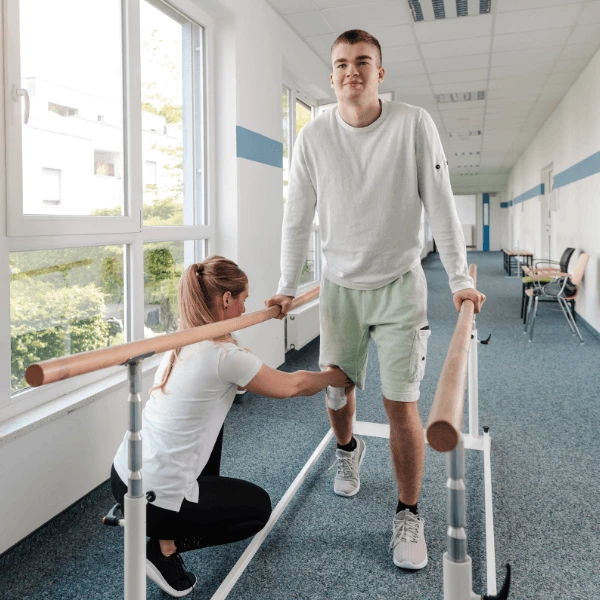
Physical and rehabilitation medicine is a specialized clinical medical field focused on the prevention, diagnosis, treatment, and recovery associated with acute and chronic diseases, injuries, postoperative conditions, the consequences of immobilization, functional impairments, and others.
The main goals of physical therapy and rehabilitation are:
- Reducing pain
- Restoring and improving motor function
- Joint mobility and muscle strength
- Limiting functional deficit
- Improving quality of life
A timely consultation with a specialist in physical and rehabilitation medicine is key to your fast, gentle, and as complete as possible recovery.
About the therapy
Who determines what treatment I need?
The application of physical therapy and rehabilitation treatment approaches is determined by a physician specialized in physical and rehabilitation medicine after a medical and functional assessment of the individual's condition, taking into account the diagnosis, the stage of the disease, and the presence of any contraindications. The specialist determines when and what type of treatment is indicated, as well as any necessary restrictions.
The therapeutic means and the duration of treatment are determined individually for each patient.
For which conditions do physical therapy and rehabilitation help?
- Musculoskeletal conditions - degenerative joint diseases, diseases of muscles, tendons, and ligaments
- Injuries and post-traumatic conditions of the musculoskeletal system - fractures, sprains, muscle-tendon and joint injuries
- Postoperative conditions:
- In orthopedics - after arthroscopies, joint replacement, and other orthopedic and trauma surgeries
- In certain surgical conditions - infiltrates, atonic wounds, abscesses
- Neurological conditions - diseases of the peripheral nervous system, balance and coordination disorders, consequences of cerebrovascular disease
- Pediatric conditions - disorders of motor development, muscle tone, posture, and motor function in infants and children
- Rehabilitation during pregnancy and after childbirth:
- Specialized programs during pregnancy
- Rehabilitation and recovery after childbirth and for postpartum complications - mastitis, diastasis, incontinence
- ENT conditions - rhinitis, otitis, sinusitis
- Supportive treatment for certain diseases of the respiratory and cardiovascular systems, childhood illnesses, dermatological, gynecological, and urological conditions
- Conditions of immobilization, reduced physical capacity, and muscle tone
Is rehabilitation a standalone treatment?
Rehabilitation is part of comprehensive treatment and is carried out together with the primary treating specialist. In certain conditions, it is key to full recovery.
Indications by field
Orthopedics and traumatology
- Degenerative and inflammatory joint diseases - osteoarthritis, arthritis
- Injuries and their consequences - fractures, sprains, dislocations
- Injuries to muscles, tendons, and ligaments
- Postoperative conditions - after arthroscopies, hip and knee joint replacement, and other orthopedic surgeries
- Muscle conditions - myalgia, myositis, myogelosis
- Overuse and overload conditions
Neurology
- Diseases of the peripheral nervous system - radiculitis, neuritis, plexitis, radiculopathies, neuropathies
- Motor function disorders, muscle weakness
- Balance and coordination disorders
- Consequences of cerebrovascular disease
ENT
Physical therapy and rehabilitation can be part of the comprehensive treatment of certain ENT conditions and disorders:
- Certain chronic and recurrent inflammatory conditions, where medically appropriate - rhinitis, otitis
- Diseases and functional disorders of the paranasal sinuses - sinusitis
Cardiology
- Rehabilitation for stable cardiovascular conditions
- Recovery after certain cardiac interventions
- Reduced physical capacity
- The need for a gradual return to physical activity
Pulmonology
- Conditions following respiratory illnesses
- Chronic and recurrent lung diseases
- Reduced physical capacity
- The need for respiratory and physical rehabilitation
Vascular diseases
- Certain peripheral vascular diseases
- Peripheral circulation disorders
- Swelling and functional limitations, when an appropriate indication has been established
General and postoperative rehabilitation
- Restoring or accelerating recovery after surgical interventions
- Consequences of prolonged immobilization
- Loss of muscle strength and physical capacity
- Limited mobility
- The need to restore independence, the ability for self-care, and daily activities
During pregnancy and after childbirth
Physical therapy and medical rehabilitation can help maintain a woman's physical activity and functional condition during pregnancy and recovery after childbirth. Where medically appropriate, individually selected exercises and rehabilitation methods are applied for:
- Back and lower back pain
- Musculoskeletal complaints related to pregnancy
- Posture and movement pattern disorders
- Restoring muscle strength and physical capacity after childbirth
- Restoring abdominal muscle function and functional stability
- Pelvic floor rehabilitation, where indicated
- Recovery after a cesarean section or other surgical interventions
Pediatrics
In children, the main goal is to support normal motor development, prevent secondary functional disorders, and maximize motor potential. The rehabilitation program takes into account the child's age, development, and individual needs, and is carried out in cooperation with the parents. It is suitable for:
- Motor development disorders
- Muscle weakness and muscle tone disorders
- Orthopedic and postural disorders
- Deformities and functional disorders of the musculoskeletal system
- Conditions following injuries and surgical interventions
- Respiratory conditions for which respiratory rehabilitation and physical therapy are indicated
Infants and young children
In newborns, infants, and young children, medical rehabilitation is applied after a pediatric and functional assessment, when medical indications are present. It is suitable for:
- Delayed motor development
- Deviations in muscle tone
- Postural and orthopedic problems
- Congenital or acquired motor disorders
Early medical assessment and timely rehabilitation are extremely important for the child's optimal motor development.
Prevention
Can I come without a specific complaint?
Yes. Physical and rehabilitation medicine plays an important role not only in treatment and recovery, but also in the prevention of pain, functional disorders, and limited physical activity.
A preventive assessment by a physical and rehabilitation medicine specialist can help with the early detection of disorders in:
- Posture and movement habits
- Muscle balance
- Joint mobility
- Physical capacity
When is a preventive assessment particularly appropriate?
- With a sedentary lifestyle and insufficient or absent physical activity
- With prolonged work in a seated position
- With poor posture and movement pattern disorders
- With recurring pain in the back, limbs, and joints
- With age-related changes and reduced physical capacity
- For the prevention of complications from prolonged immobilization
- For restoring and maintaining functional capacity after an illness or injury
What happens after the assessment?
Based on the results, the specialist prepares an individual program tailored to your age, health condition, and cognitive and physical abilities.
Your personal plan may include:
- Physical activity and therapeutic exercise
- Appropriate physical therapy procedures
Equipment
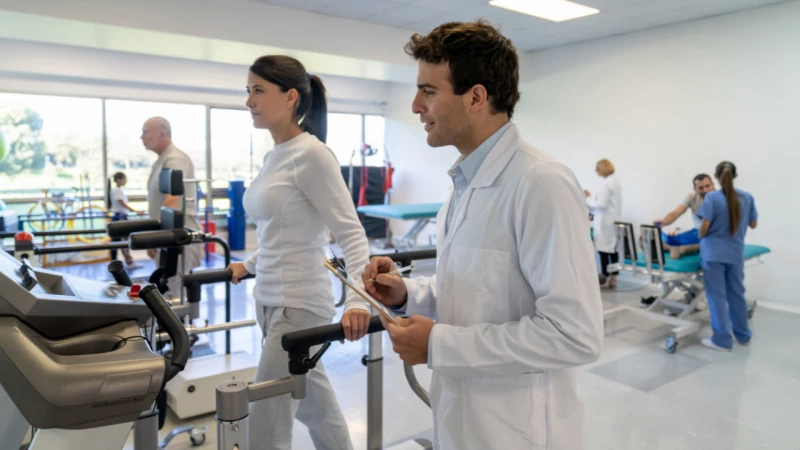
The Physiotherapy and Rehabilitation Unit is equipped with modern, highly specialized equipment for treatment and rehabilitation. It has equipment for:
- Electrotherapy
- Vacuum therapy
- Light therapy
- Ultrasound therapy
- Magnetotherapy
- Deep electromagnetic stimulation
- High-energy laser
- Combined cryotherapy and compression therapy device (Game Ready)
- Continuous passive motion (CPM) devices for the shoulder and knee joints
- Fitness equipment, and others
Our goal
Care with us does not end with the treatment of the specific problem. We work together with you to maintain your good motor function and to prevent future limitations.

 On this page, you can change your choices at any time after you have read and understood our