
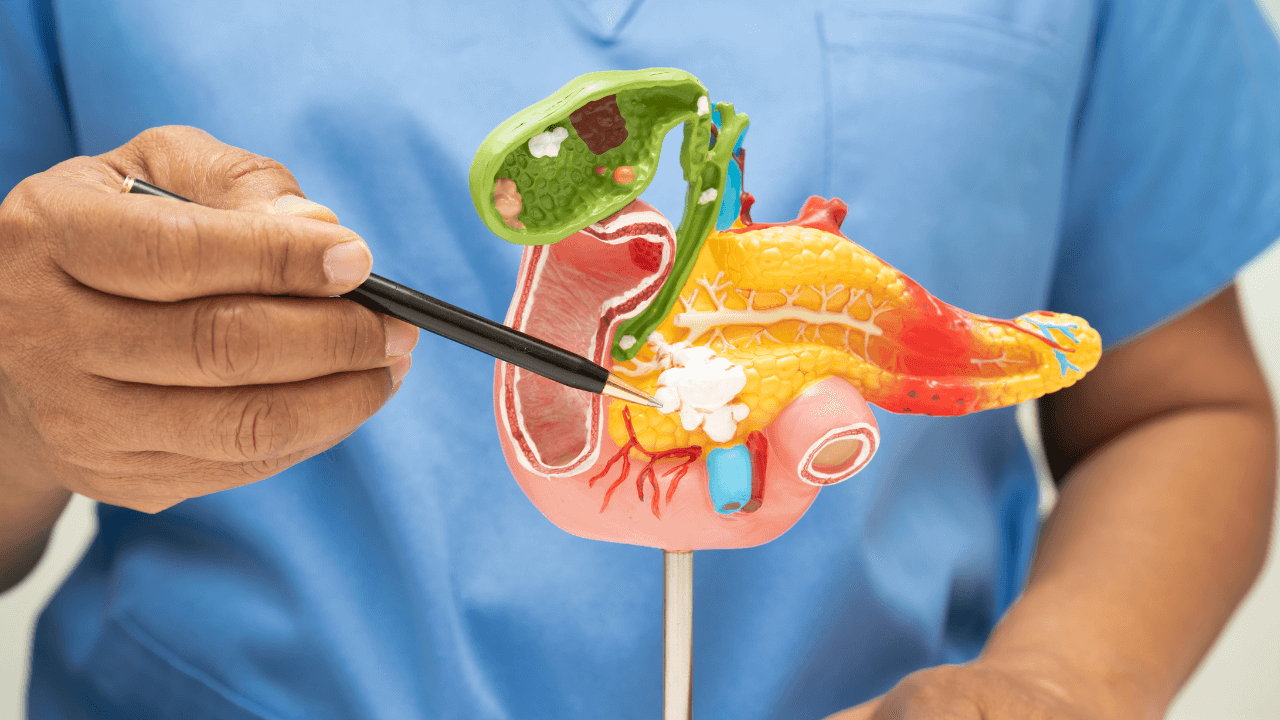
The risk of stomach cancer is increased in people who have a first-degree relative with this type of malignant disease.
Gastric adenocarcinoma is the fifth most common and third most deadly cancer in the world, and is also the most frequent malignant disease of the stomach (90-95% of malignant tumors of the stomach). It is more common in countries of East Asia, Eastern Europe, and South and Central America than in the United States and other Western countries.
According to global statistics, men are almost twice as affected as women, but in recent years cases of stomach cancer in younger women have increased sharply, especially among the Hispanic community. Stomach cancer can be diagnosed at any age, but the risk increases with advancing age (on average at 68 years).
Various risk factors can increase the likelihood of cancer developing in different parts of the stomach. For example, Helicobacter pylori infection increases the risk of cancer in the lower and middle parts of the stomach, while obesity and gastroesophageal reflux disease increase the risk of cancer in the upper part of the stomach.
In general, the risk of stomach cancer is increased in people who have:
- Chronic atrophic gastritis (thinning of the stomach lining caused by prolonged inflammation of the stomach)
- Atrophic gastritis with intestinal metaplasia (a condition in which the cells lining the stomach are replaced by cells that normally line the intestines)
- Epstein-Barr virus infection
- Pernicious anaemia (an autoimmune condition in which the intestines cannot properly absorb vitamin B12, leading to a low red blood cell count)
- Obesity (excess body weight)
Family history and the presence of certain genetic abnormalities also play a significant role.
The risk of stomach cancer is increased in people who have a first-degree relative (parent, sibling, or child) with this type of malignant disease.
Dietary habits and smoking also influence the likelihood of developing cancer. A diet low in fruits and vegetables and/or high in salty, smoked, and poorly preserved foods may increase the risk of stomach cancer. People who smoke are at greater risk than non-smokers. Smoking also makes treatment of Helicobacter pylori infection less effective.
The presence of one or more of these risk factors does not necessarily mean that a patient will be affected. Many potential patients never develop stomach cancer, while others without known risk factors do. This is precisely what determines the need for regular preventive examinations and consultations with the relevant specialists.
In its early stages, stomach cancer rarely causes complaints. In countries where routine screening programmes for the prevention of this disease are lacking - as is the case in Bulgaria - gastric adenocarcinoma is detected late in most cases, when there is already pronounced symptomatology, a grown tumour mass engaging the organ, and spread of the process beyond the stomach.
When stomach cancer does cause complaints, they may include:
- Decreased appetite
- Weight loss (without following a weight-reduction diet)
- Abdominal pain
- Vague discomfort in the abdomen, usually above the navel
- Feeling of fullness after eating only a small amount of food
- Heartburn or indigestion
- Nausea and/or vomiting (sometimes with blood)
- Swelling or fluid accumulation in the abdomen
- Blood in the stool
- Feeling of fatigue or weakness, including as a result of anaemia
- Yellowing of the skin and eyes (jaundice), if the cancer has spread to the liver
Most of these symptoms are more likely to be caused by other conditions and diseases different from stomach cancer (such as a viral infection or ulcer), including other types of cancer. However, people who have some of these problems, especially if they do not go away or worsen, should see a doctor so that the cause can be identified and treated if necessary.
Taking a medical history directs the physician's attention to the patient's specific symptoms (such as eating problems, pain, abdominal bloating, etc.) and possible risk factors suggesting stomach cancer or another cause. Physical examination provides information about likely signs of stomach cancer or other health problems. During the examination, pathological formations may sometimes be palpated, thereby directing the diagnostic process in the right direction.
Blood tests are also performed (stomach cancer is often accompanied by anaemia), including testing for so-called occult bleeding - the presence of blood in the stool, which may be an indication of stomach cancer.
A key moment in diagnosing this malignant disease is the performance of upper endoscopy with biopsy. Here, the main role is played by gastroenterologists who perform the examination itself, pathologists who establish the histological diagnosis, and anaesthesiologists who ensure that the entire procedure can be performed under anaesthesia in safe and comfortable conditions for the patient.
It is important to note that in some cases endoscopy may also have a therapeutic effect. Endoscopic mucosal resection (EMR) and endoscopic submucosal dissection (ESD) are procedures that can be used to treat some cancers at a very early stage, when it is considered that the tumour has not grown deeply into the stomach wall and the likelihood of it spreading beyond it is very low.
Endoscopy can also be used to prevent or relieve symptoms or other complications of stomach cancer without the need for surgery, as well as in cases where surgery is not possible.
Treatment of stomach cancer is complex and is carried out by a multidisciplinary team, individualised according to the needs of the specific patient. It depends largely on where the cancer is located in the stomach and how far it has spread. The person's age, general health, and preferences may also be relevant.
When possible, surgical treatment offers the best chance of cure. It should be noted that surgery for stomach cancer is divided into:
- Radical surgery: involves removal of the cancer and part or all of the stomach, as well as some nearby lymph nodes and other structures and organs, depending on the location and stage of the cancer, with the aim of achieving what is known as "clear margin resection"
- Palliative surgery: aims to prevent complications (bleeding or obstruction from the tumour) or relieve symptoms, but is not expected to cure the cancer
Depending on how much of the stomach is removed, stomach cancer surgery can be:
- Partial
- Total gastrectomy
In the first case, only part of the stomach is removed - applicable if the cancer is only in the lower or only in the upper part of the stomach.
If the cancer has spread widely in the stomach or is close to the oesophagus, the entire stomach, nearby lymph nodes, and omentum are removed, and the operation ends with suturing the lower end of the oesophagus to the small intestine to ensure the patient can eat. If necessary, the spleen and parts of the oesophagus, intestines, pancreas, or other nearby organs may also be removed.
In most cases, stomach surgery is performed using the so-called open method or laparotomy, in which access to the pathological process and the performance of the corresponding surgical procedure is provided through a skin incision of varying size.
In addition to surgery, other treatments are also applied:
- Treatment performed before surgery is called preoperative or neoadjuvant therapy, whose general aim is to shrink the tumour and reduce the amount of tissue that needs to be removed during surgery
- Treatment applied after surgery aims to reduce the risk of the cancer spreading
In this regard, the role of radiotherapy, chemotherapy, immunotherapy, targeted therapy, and others is enormous.
In the Department of General and Laparoscopic Surgery, in close collaboration with the Gastroenterology Department at VITA Hospital, diagnosis and treatment of all stomach diseases is performed - gastritis, ulcers, functional dyspepsia, oncological diseases, and others.
It should not be forgotten that any disease detected in time can be treated much more successfully. Therefore, it is of utmost importance to be promptly consulted by a competent specialist when experiencing complaints.
You can book an appointment by calling +359 2 45 22 000.
 On this page, you can change your choices at any time after you have read and understood our