
Information
Stroke is an interruption of blood supply to part of the brain, as a result of which the neurons are deprived of oxygen and begin to die. There are two types of stroke - hemorrhagic and ischemic.
Hemorrhagic strokes are rarer, about 15% of all strokes, but they are responsible for about 40% of stroke mortality. Ischemic strokes make up 87% of all strokes.
Ischemic stroke is caused when a blood vessel supplying the brain becomes blocked by a clot. High blood pressure is the most important risk factor for this type of stroke, and optimal blood pressure control is its main prevention. Cerebrovascular disease is also caused by atherosclerosis and affects the external and internal cerebral vessels. As it progresses, the development of blockage or embolization is observed, as a result of which ischemic stroke develops.
Atrial fibrillation is by no means a minor culprit for ischemic stroke and is the most common arrhythmia in elderly patients. It is an embolizing arrhythmia in which clots form in a structure of the heart called the left atrial appendage, which through the systemic circulation reach the vessels supplying the brain and block them. Stroke is a leading cause of death and disability in our country.
The main prevention consists of controlling blood pressure and addressing the factors of atherosclerosis.
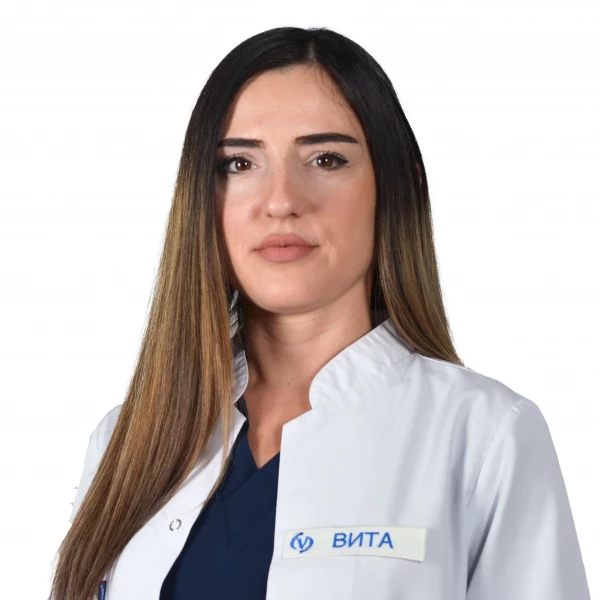
Author: Dr. Sibel Kafalieva, Cardiologist
 On this page, you can change your choices at any time after you have read and understood our